
DIY Concrete Repair Tips for Homeowners in St. Cloud


Understanding the Basics of Concrete Repair
Concrete is a popular choice for driveways, patios, and sidewalks in St. Cloud due to its durability. However, over time, it can develop cracks and other issues. Fortunately, many of these problems can be addressed with basic DIY knowledge and tools. Whether you're dealing with minor cracks or surface scaling, understanding the basics of concrete repair can save you both time and money.
Before diving into repairs, it's crucial to assess the extent of the damage. Small cracks can often be fixed with simple patching materials, while larger structural issues might require professional help. Begin by cleaning the area thoroughly to ensure that debris and dust don't interfere with the repair process.
Essential Tools and Materials
Having the right tools and materials on hand is essential for effective concrete repair. Here's a list of what you might need:
- Concrete patching compound or epoxy for filling cracks.
- Wire brush and chisel for cleaning and preparing the surface.
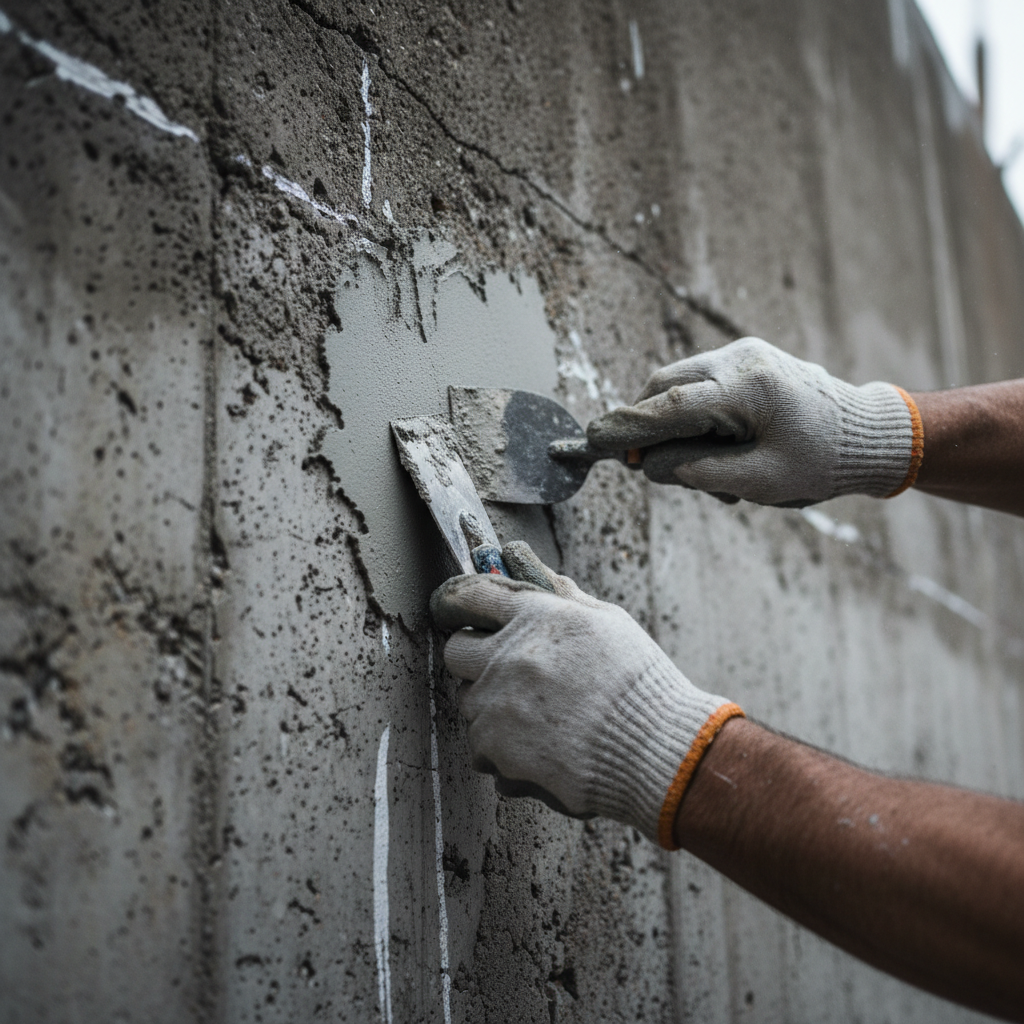
- Mixing bucket and trowel for applying patching material.
- Protective gear like gloves and goggles for safety.
Make sure to choose materials that are suitable for outdoor use and are weather-resistant, given the climate conditions in St. Cloud.
Step-by-Step Repair Process
Cleaning and Preparation
Start by cleaning the damaged area with a wire brush to remove loose debris. For deeper cracks, use a chisel to widen the crack slightly, which will help the patching material adhere better. Rinse the area with water and let it dry completely before proceeding.
Applying the Patching Material
Mix the concrete patching compound according to the manufacturer’s instructions. Use a trowel to apply the mixture into the crack, pressing down to ensure it fills the space completely. Smooth the surface with the trowel and let it cure as directed.
Protecting and Maintaining the Repaired Surface
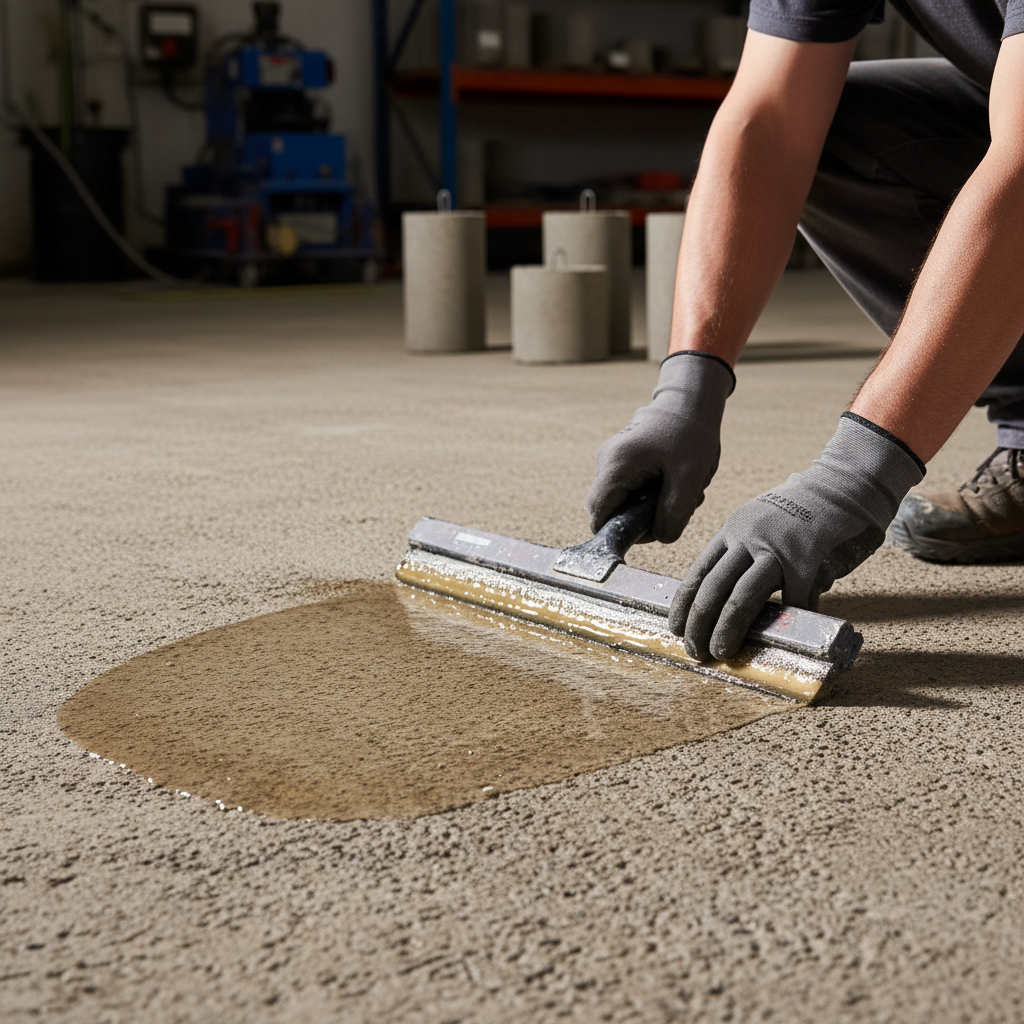
Once the repair is complete, it's important to protect the area from weather conditions. Consider applying a concrete sealer to shield the surface from moisture and prevent future damage. Regular maintenance, such as cleaning and resealing every couple of years, can significantly extend the life of your concrete surfaces.
Keep an eye on the repaired areas over time. Small issues can quickly escalate if not addressed promptly. Regular inspections can help you catch and fix minor problems before they become major repairs.
When to Call a Professional
While many concrete repairs can be handled with a DIY approach, there are instances where professional intervention is necessary. If you notice extensive cracking, sinking, or shifting, these could be signs of underlying structural issues. In such cases, it's best to consult with a professional contractor in St. Cloud who can assess and address the problem effectively.
By taking care of your concrete surfaces and addressing minor issues early, you can maintain the beauty and functionality of your outdoor spaces for years to come. Whether you're a seasoned DIY enthusiast or a homeowner tackling your first repair, these tips can help guide you through the process.