
Debunking Common Myths About Concrete Durability


Understanding Concrete Durability
Concrete is one of the most widely used construction materials in the world. Its strength, versatility, and durability make it an ideal choice for a variety of projects. However, there are several myths surrounding its durability that can lead to misconceptions. In this post, we aim to debunk these myths and provide a clearer understanding of concrete's true capabilities.
Myth 1: Concrete is Impervious to Damage
One common myth is that concrete is completely impervious to damage. While it is indeed a strong and durable material, concrete is not indestructible. Factors such as chemical exposure, temperature fluctuations, and improper installation can affect its integrity. To ensure longevity, it is crucial to understand the environmental factors that can impact concrete and take preventive measures.
Concrete's durability can be enhanced by using the right mix of materials and following proper curing procedures. Regular maintenance and inspections also play a vital role in preserving its condition over time.
Addressing Environmental Factors
Concrete can be susceptible to environmental factors that may compromise its durability. These include:
- Moisture: Excessive water can lead to erosion and weaken the concrete structure.
- Temperature Changes: Freeze-thaw cycles can cause expansion and contraction, leading to cracks.
- Chemical Exposure: Chemicals such as de-icing salts can penetrate concrete and deteriorate its surface.

Myth 2: All Concrete is the Same
Another myth is that all concrete is the same, regardless of its application. In reality, the composition of concrete can vary significantly depending on its intended use. Different projects require specific types of concrete mixes to meet unique demands. For example, concrete used in marine environments may include additives to resist saltwater corrosion, while high-strength concrete is designed to withstand greater loads.
Understanding the specific requirements of your project and choosing the right type of concrete is essential for ensuring its durability and performance.
Proper Installation and Maintenance
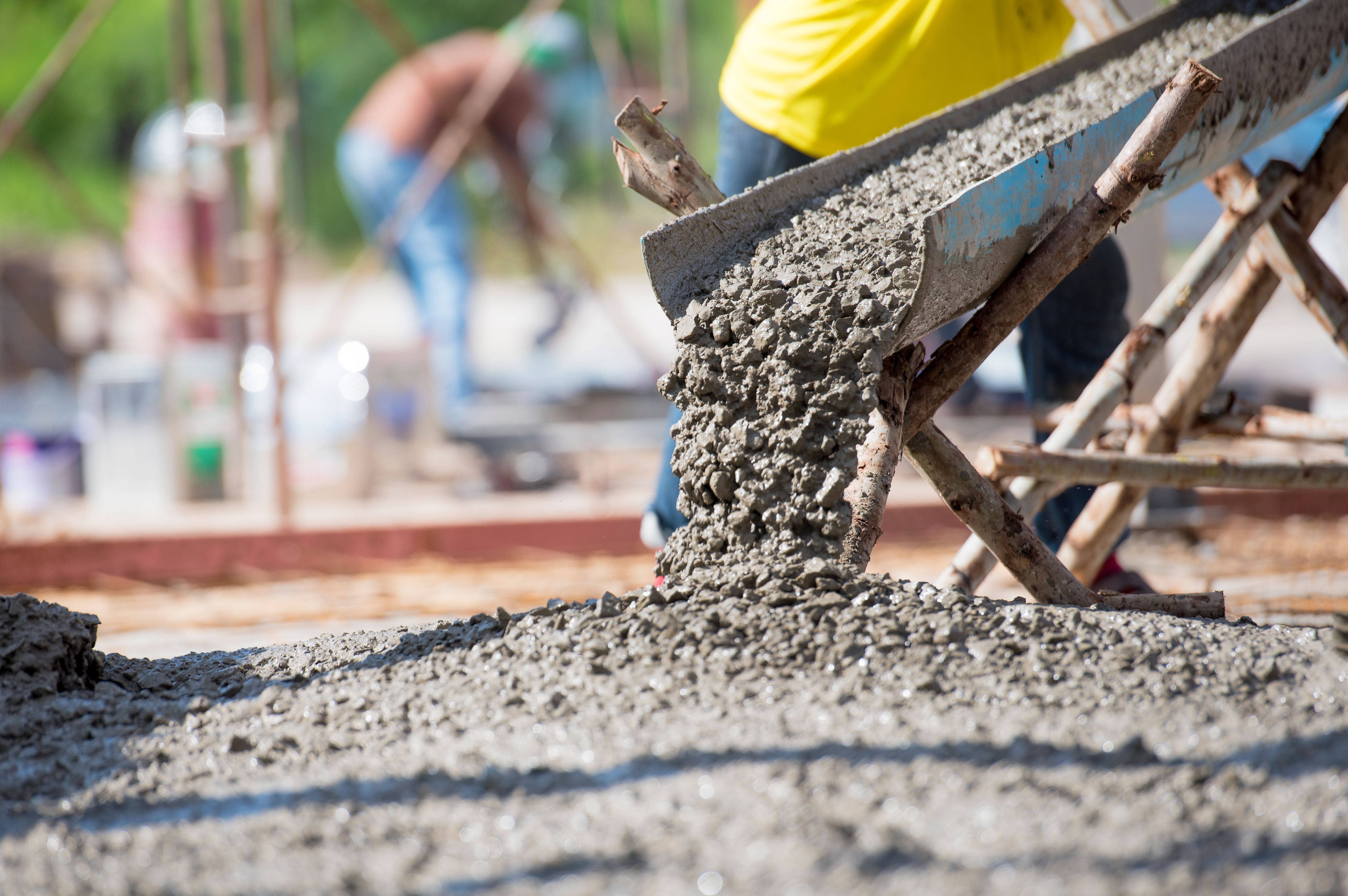
Proper installation and maintenance are crucial for maximizing concrete's lifespan. Poor installation can lead to premature deterioration, while neglecting maintenance can exacerbate existing issues. Here are some tips to ensure your concrete lasts:
- Hire Experienced Professionals: Skilled contractors will ensure that concrete is mixed, poured, and cured correctly.
- Regular Inspections: Routine checks can identify potential problems before they escalate.
- Timely Repairs: Addressing minor issues promptly can prevent them from becoming major concerns.
Myth 3: Concrete Doesn't Require Maintenance
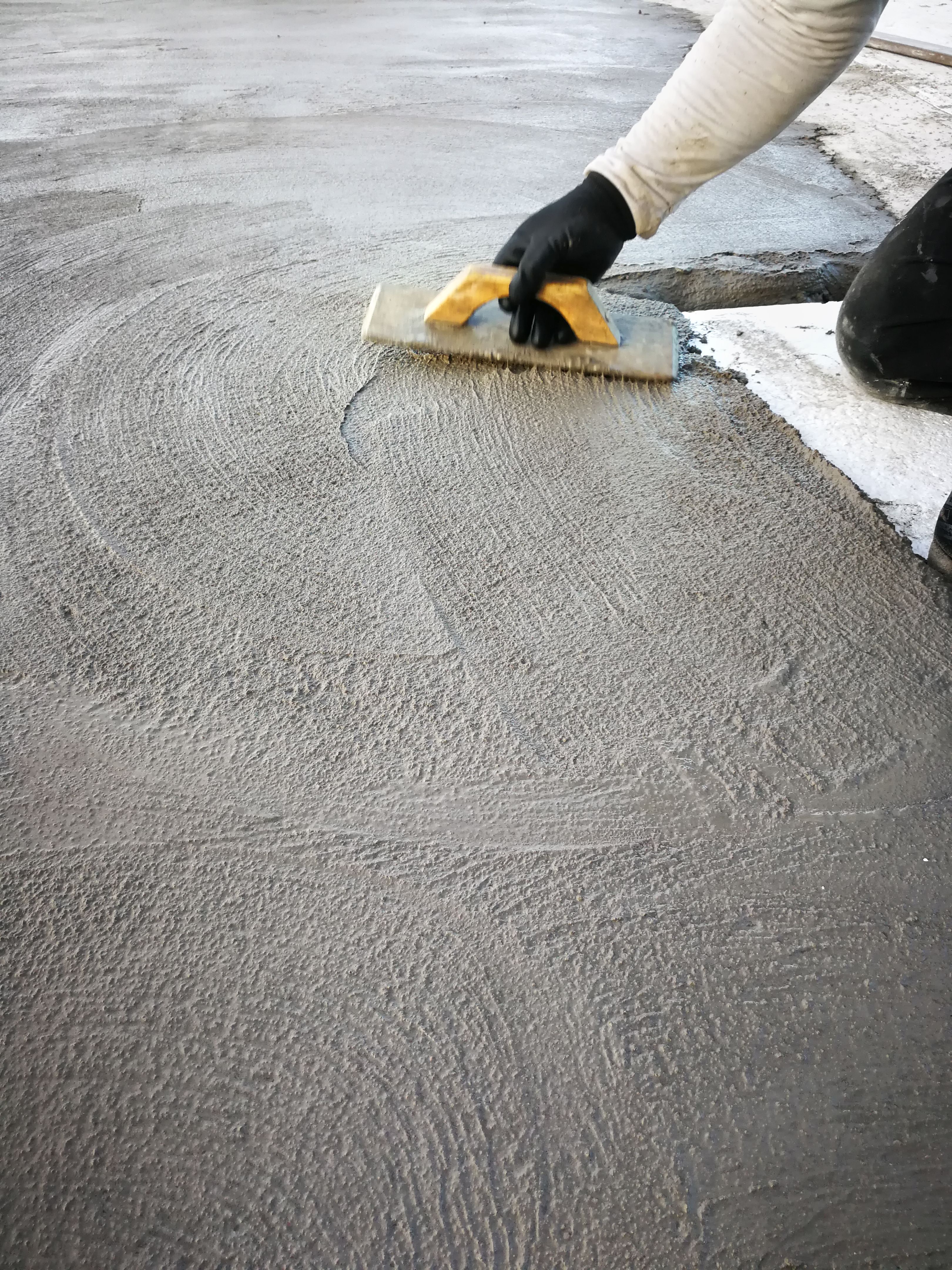
A final myth is that once concrete is installed, it requires no maintenance. In truth, regular care is necessary to maintain its durability and appearance. Sealing concrete surfaces can protect against moisture penetration and staining, while cleaning helps to remove harmful substances that may cause deterioration.
By debunking these myths, we hope to provide a better understanding of concrete's durability. With the right knowledge and practices, concrete can remain a reliable and long-lasting material for any construction project.