
Comprehensive Guide to Concrete Restoration in Saint Cloud


Concrete restoration is a crucial process for maintaining the structural integrity and aesthetic appeal of buildings and infrastructure in Saint Cloud. Over time, concrete can deteriorate due to exposure to the elements, wear and tear, or accidental damage. Understanding the steps involved in concrete restoration can help property owners make informed decisions about maintaining their investments.
Understanding Concrete Deterioration
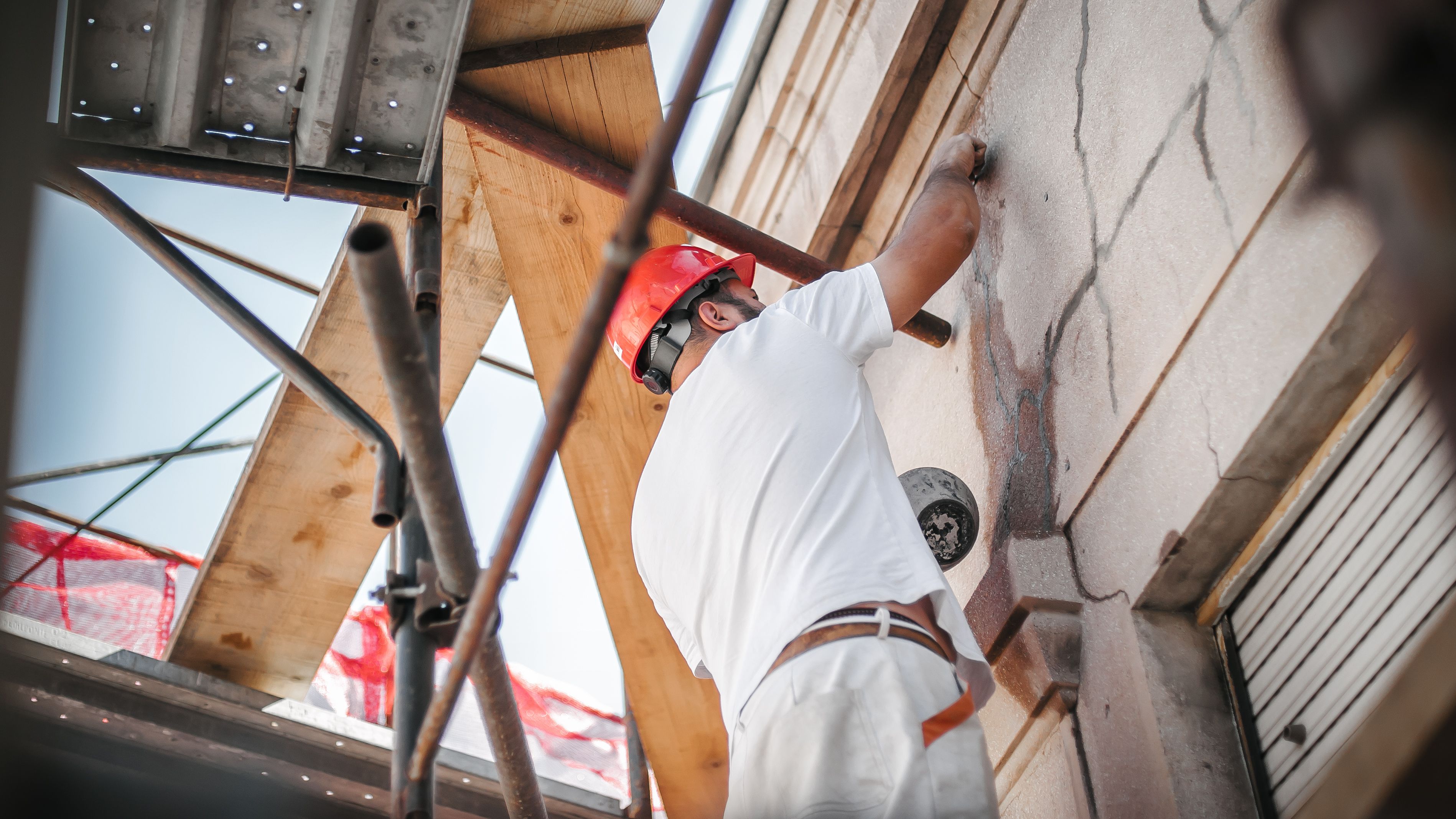
Concrete is a durable material, but it is not immune to deterioration. Factors such as weather conditions, chemical exposure, and heavy usage can lead to cracks, spalling, and discoloration. In Saint Cloud, where the climate can be harsh, these issues can become more pronounced. Identifying the signs of deterioration early can prevent more significant damage and costly repairs.
Common Causes of Concrete Damage
Several factors contribute to concrete damage. These include:
- Freeze-thaw cycles: The expansion and contraction of water in concrete pores can lead to cracking.
- Chemical exposure: De-icing salts and other chemicals can corrode concrete surfaces.
- Heavy loads: Continuous pressure from vehicles or equipment can cause surface wear.
The Restoration Process
The concrete restoration process involves several key steps to ensure long-lasting results. Each step is essential for addressing specific issues and restoring the concrete to its original condition.
Inspection and Assessment
The first step in any restoration project is a thorough inspection and assessment of the damage. This involves identifying the type and extent of deterioration and determining the best course of action. Professionals may use tools such as moisture meters and thermal imaging cameras to gain a comprehensive understanding of the damage.
Cleaning and Preparation
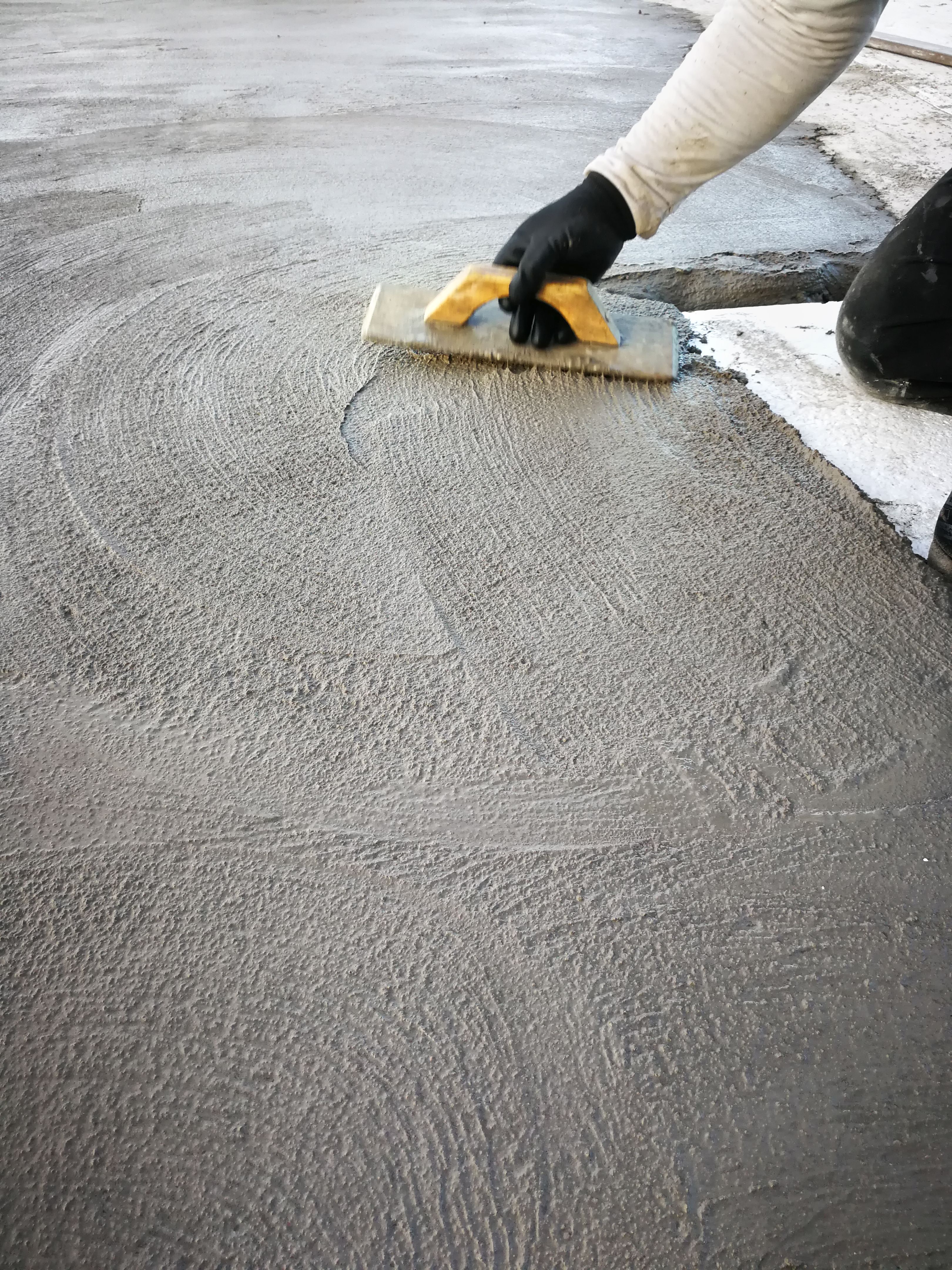
Before any repair work can begin, the concrete surface must be cleaned and prepared. This may involve pressure washing to remove dirt, debris, and loose material. Proper preparation is crucial for ensuring that repair materials adhere effectively to the existing concrete.
Repair and Resurfacing
Once the surface is prepared, the actual repair and resurfacing can begin. Techniques vary based on the type of damage, but common methods include patching cracks, applying overlays, and using sealants to protect against future damage.
Finishing Touches
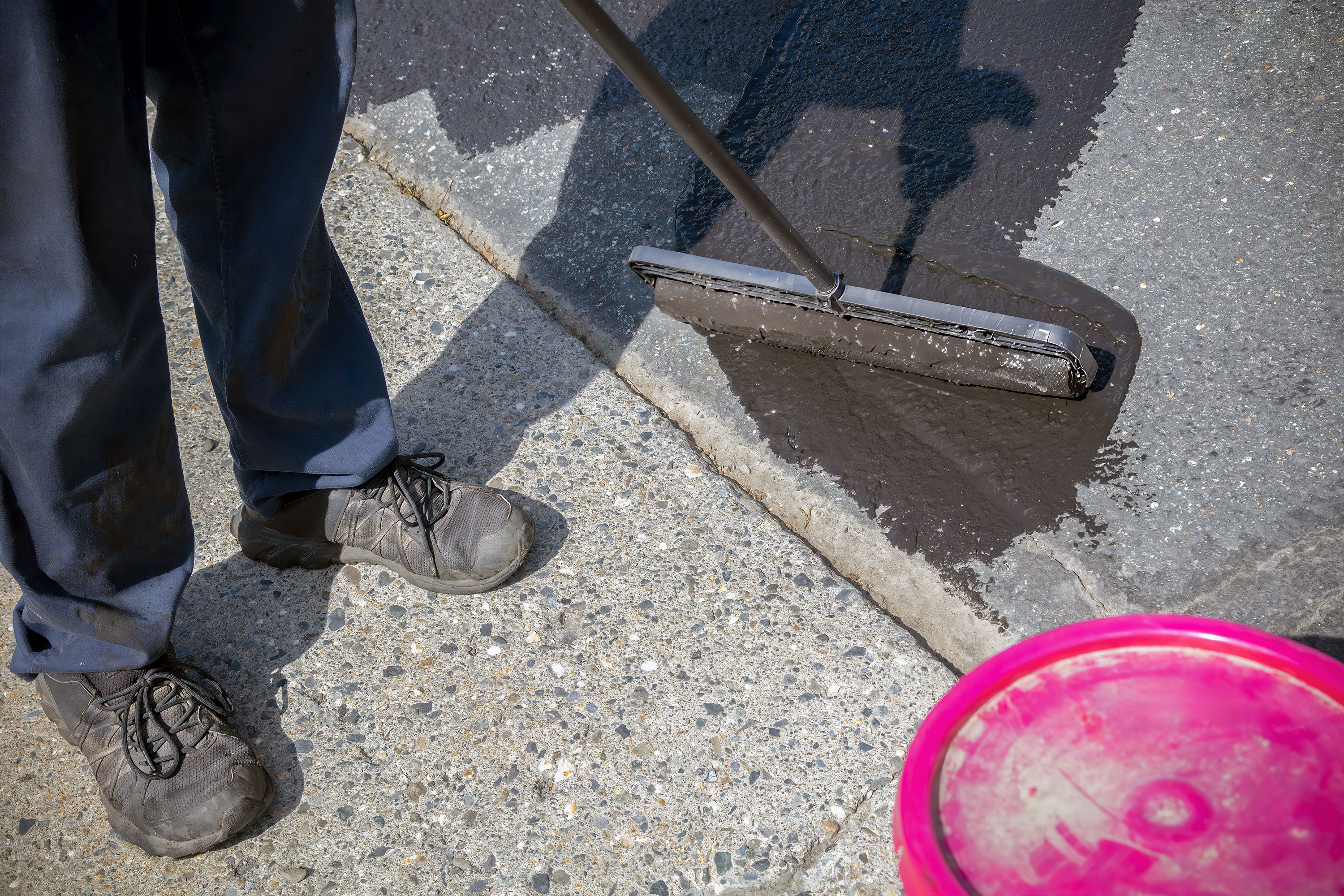
After the repair work is complete, finishing touches can enhance the concrete's appearance and durability. This might include applying a protective coating or sealant to guard against moisture and chemical exposure. Additionally, decorative finishes such as staining or stamping can improve the aesthetic appeal of the restored surface.
Choosing the Right Professional
When it comes to concrete restoration, choosing the right professional can make all the difference. Look for contractors with experience in the specific type of restoration needed and who offer warranties on their work. Checking references and reading reviews can also provide insight into the quality of their services.
In conclusion, concrete restoration is a vital process for maintaining the longevity and appearance of structures in Saint Cloud. By understanding the causes of damage and the restoration process, property owners can ensure their investments remain in top condition for years to come.