
Comparing Masonry and Concrete: Which is Best for Your Florida Home?


Introduction to Masonry and Concrete
When building or renovating a home in Florida, the choice between masonry and concrete can significantly impact the structure's durability, aesthetics, and cost. Both materials offer unique advantages and challenges, making the decision a crucial one for homeowners.
Understanding Masonry
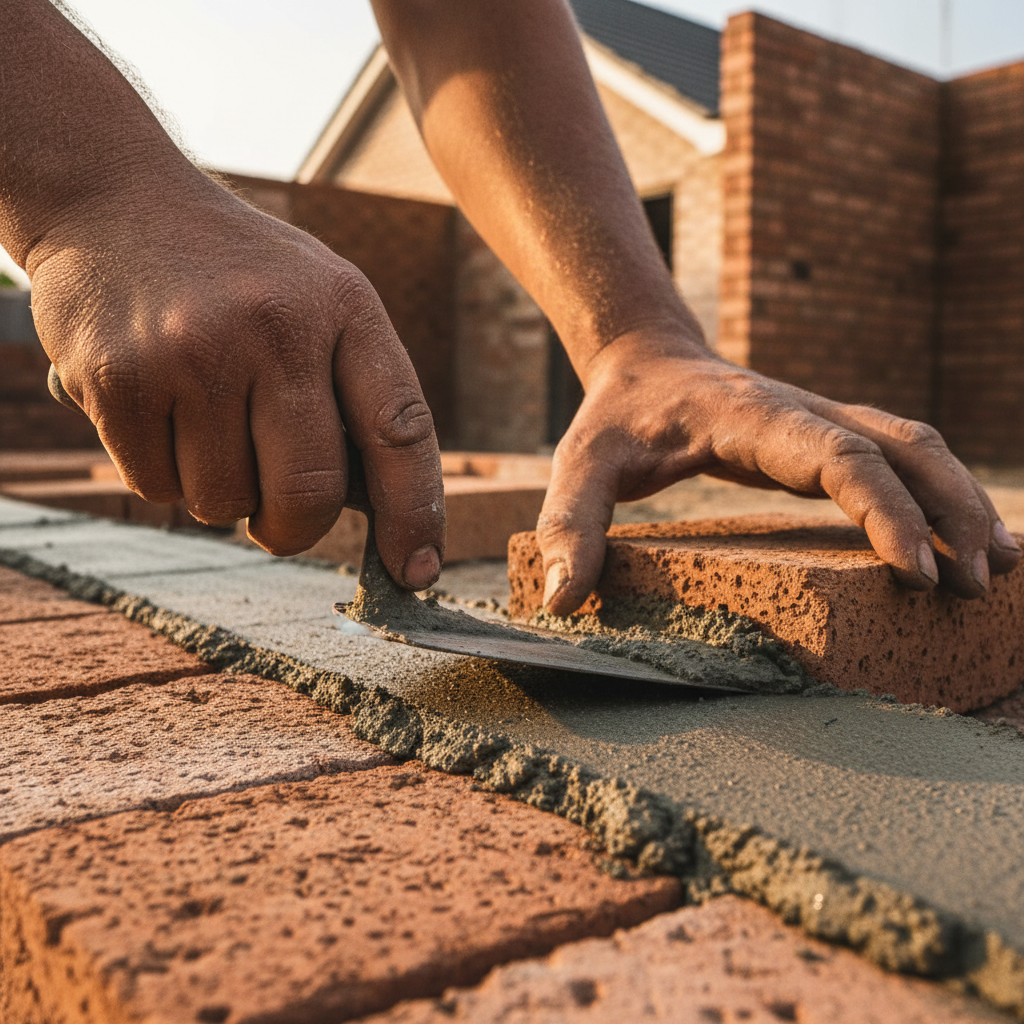
Masonry is a traditional building method that involves the use of materials like brick, stone, and concrete blocks. It's known for its strength and aesthetic appeal. Masonry structures can withstand Florida's challenging weather conditions, including hurricanes and high humidity.
Benefits of Masonry
Masonry offers several benefits, including:
- Durability: Masonry is resistant to fire, pests, and weather-related damage.
- Energy Efficiency: Masonry walls provide excellent insulation, keeping homes cooler in Florida's heat.
- Aesthetic Versatility: Masonry provides a variety of finishes and styles, adding curb appeal.
Exploring Concrete
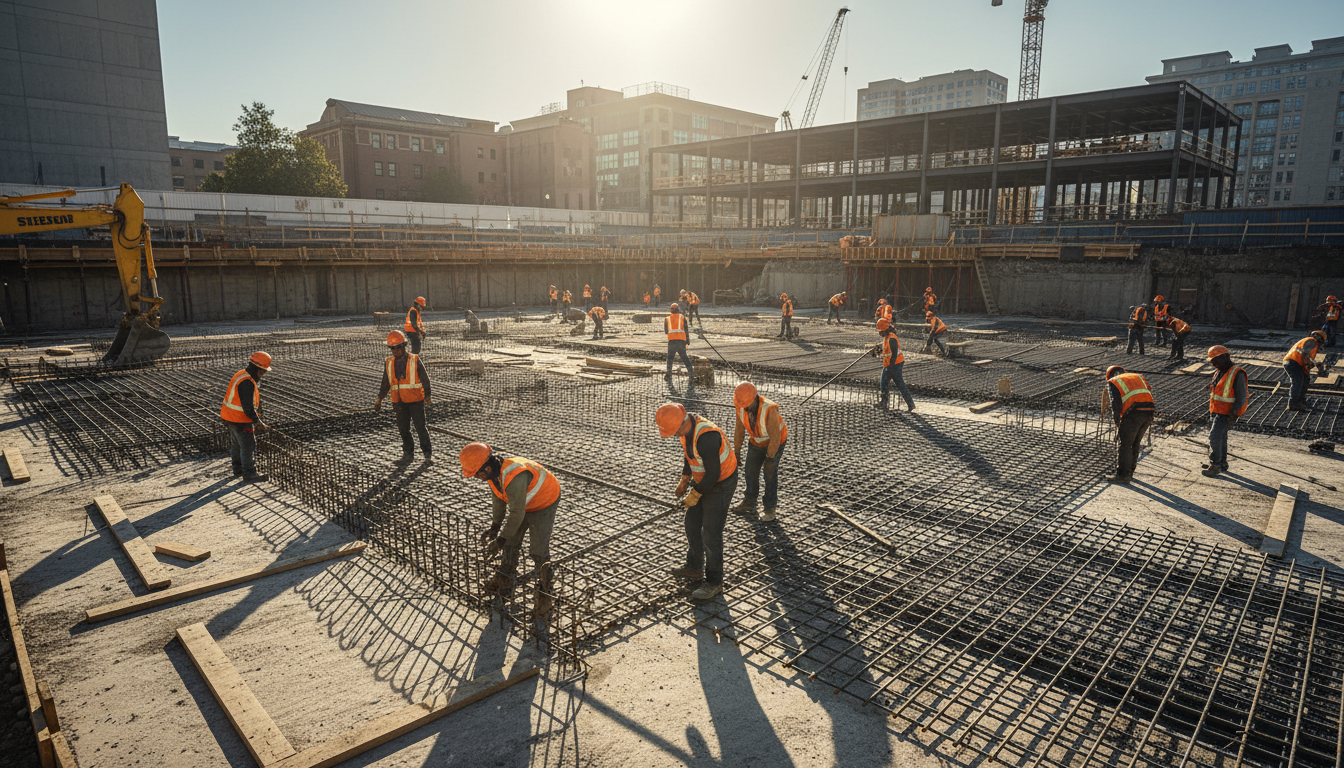
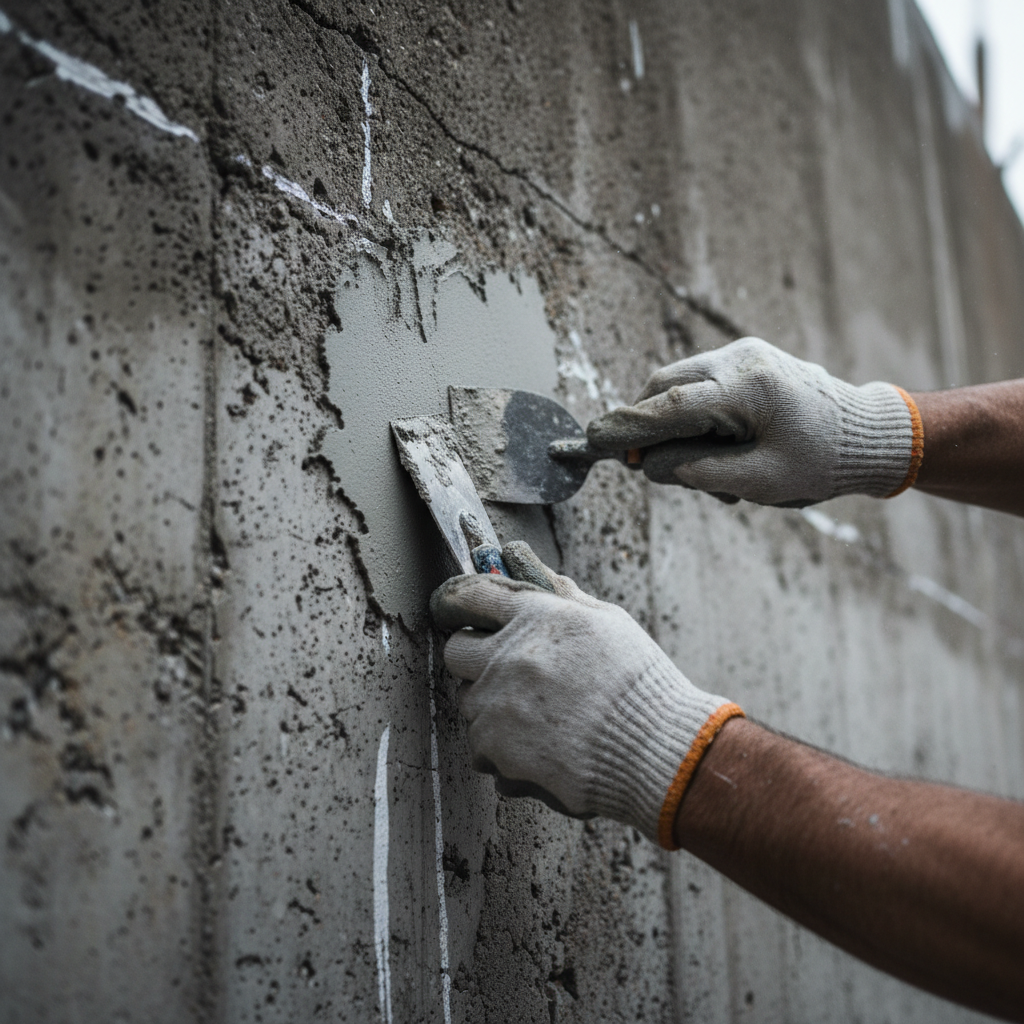
Concrete, a mixture of cement, water, sand, and gravel, is another popular building material. It's praised for its strength and versatility. Concrete is often used for foundations, driveways, and even entire homes.
Benefits of Concrete
Concrete also has numerous advantages:
- Strength: Concrete is incredibly strong and can support large loads.
- Durability: It is resistant to weather, pests, and fire, similar to masonry.
- Cost-Effectiveness: Concrete is generally more affordable than masonry.
Comparing Costs
When deciding between masonry and concrete, cost is a significant factor. While masonry can be more expensive due to labor and material costs, it often adds more value to the home. In contrast, concrete is usually less expensive upfront, making it an attractive option for budget-conscious homeowners.
Environmental Considerations
Both materials have environmental implications. Masonry materials like brick and stone are natural and sustainable, but their extraction and transportation can impact the environment. Concrete production generates carbon emissions, though advancements in technology are reducing its environmental footprint.

Conclusion
Choosing between masonry and concrete for your Florida home depends on several factors, including budget, aesthetic preferences, and environmental impact. Masonry offers timeless beauty and high durability, while concrete provides strength and cost-effectiveness. Consider your priorities and consult with a professional to make the best decision for your home.