
Common Myths About Masonry and Concrete: What You Need to Know


Understanding Masonry and Concrete
Masonry and concrete are two of the most commonly used materials in construction, yet they are often misunderstood. These misconceptions can lead to poor decision-making when planning a project. This article aims to debunk some of the most prevalent myths surrounding these materials.
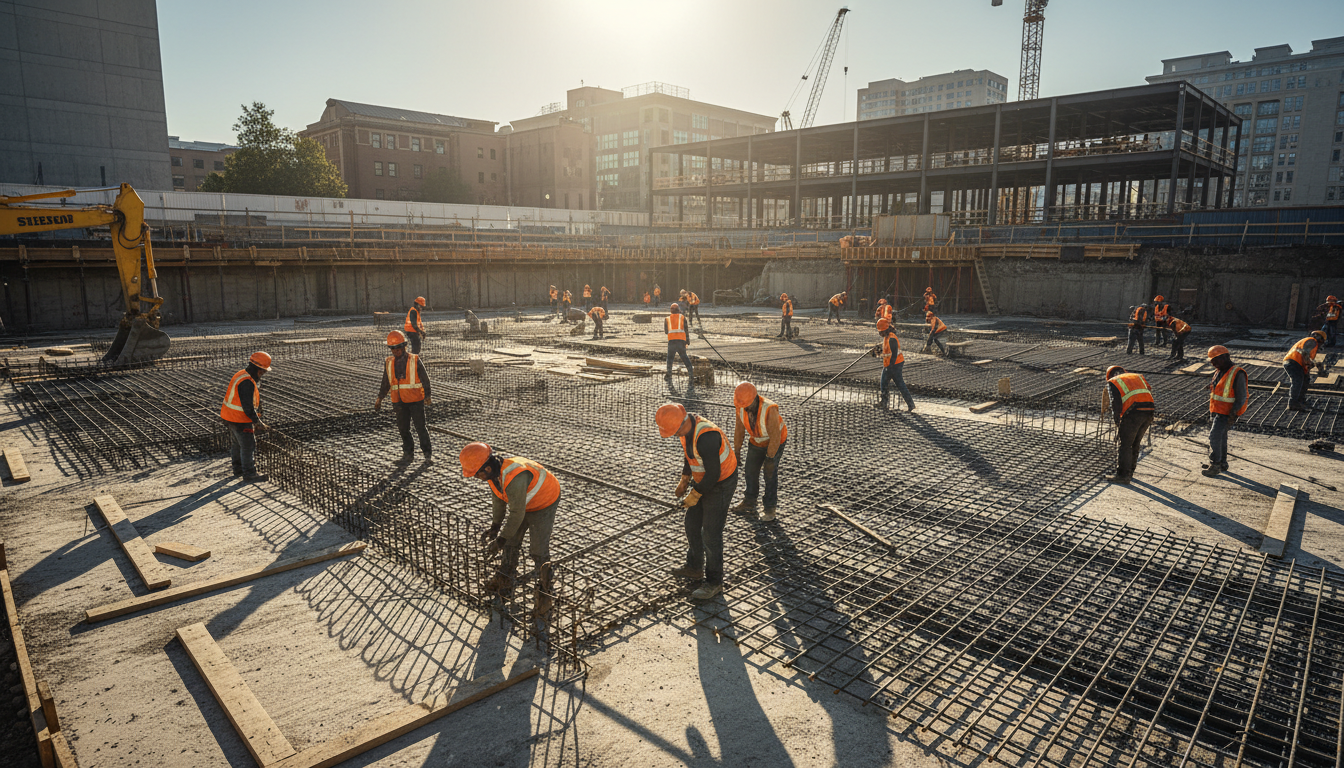
Myth 1: Masonry and Concrete Are the Same
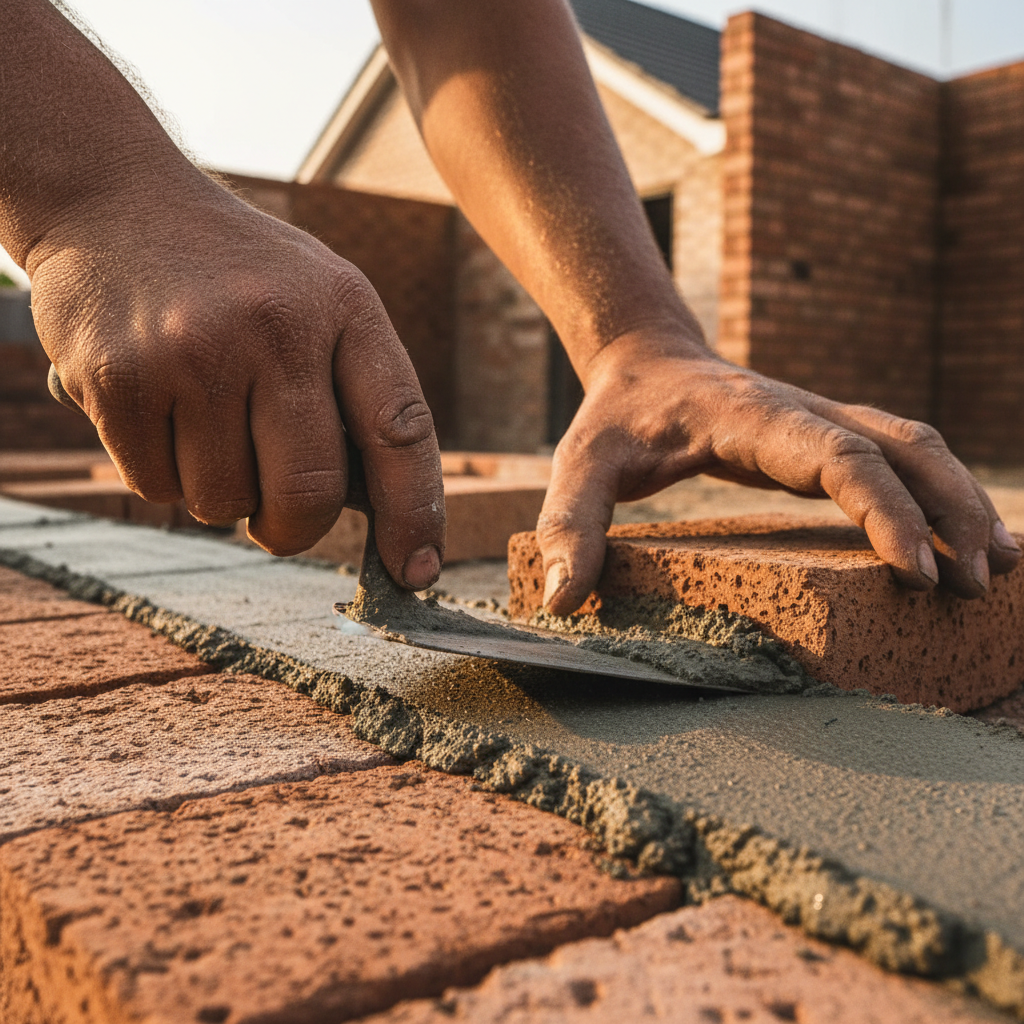
One of the most common misconceptions is that masonry and concrete are interchangeable. While both are used in construction, they serve different purposes. Masonry refers to the building of structures using individual units like bricks or stones, bound together by mortar. Concrete, on the other hand, is a composite material composed of cement, water, and aggregates, which hardens over time to form a solid mass.
Understanding this difference is crucial when selecting materials for a project, as each has its own strengths and applications.
Myth 2: Concrete Is Not Durable
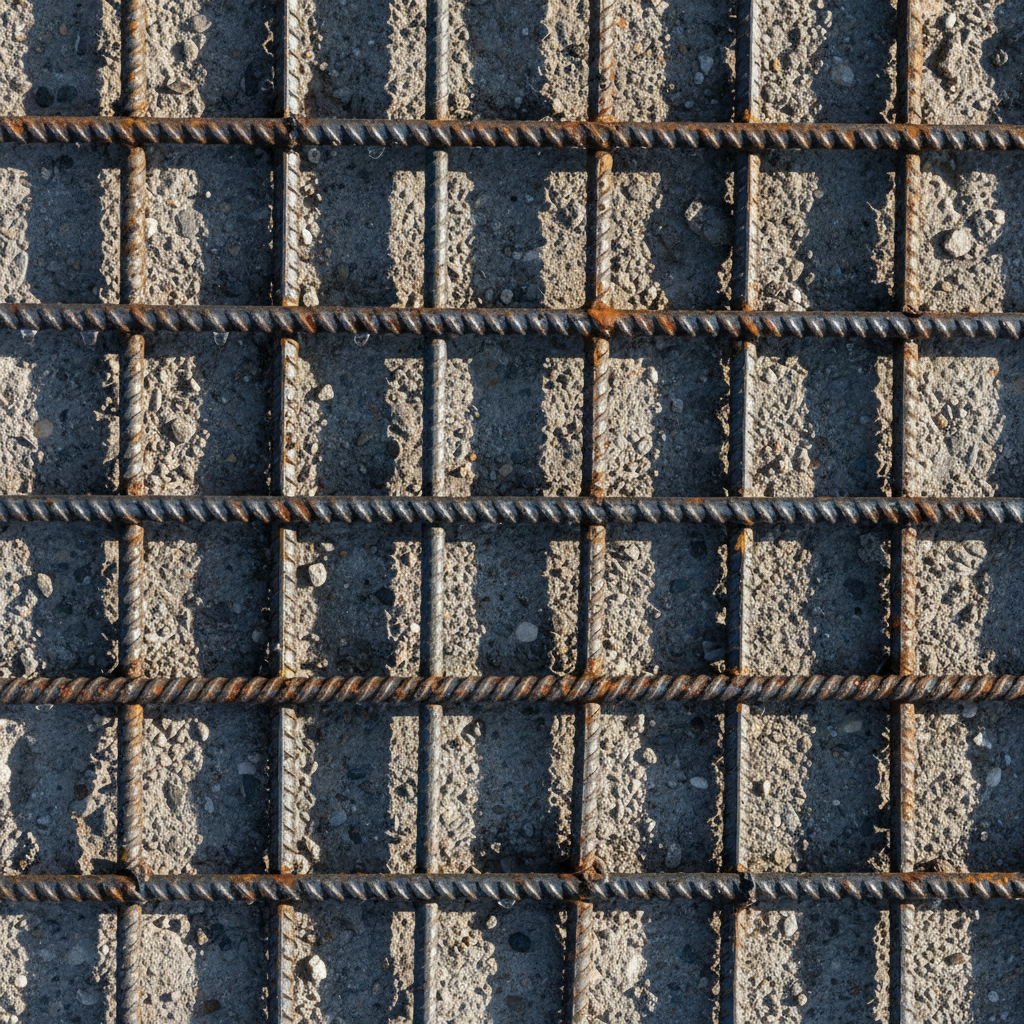
Another myth is that concrete is not a durable material. In reality, concrete is known for its remarkable durability and longevity. When properly mixed and maintained, concrete structures can last for decades, if not centuries. The key is to ensure proper curing and protection from extreme weather conditions.
Debunking Myths About Masonry
Myth 3: Masonry Is Expensive
Many people believe that masonry is a costly option for construction. While initial costs may be higher compared to other materials, the long-term benefits often outweigh the upfront expenses. Masonry is energy-efficient, fire-resistant, and requires minimal maintenance, which can lead to cost savings over time.
Additionally, the aesthetic appeal and structural integrity of masonry can increase property value, making it a wise investment.
Myth 4: Masonry Doesn't Require Maintenance
While masonry is known for its durability, it is not entirely maintenance-free. Regular inspections and minor repairs are necessary to prevent long-term damage. Issues such as cracked mortar or water infiltration can be addressed quickly to maintain the structure's integrity.
Concrete Misconceptions
Myth 5: All Concrete Cracks
It's a common belief that all concrete will inevitably crack. While cracking can occur, it's not an unavoidable fate. Proper mixing, curing, and reinforcement can significantly reduce the risk of cracking. Expansion joints and control joints are also used to manage potential cracking by allowing for natural movement.
Myth 6: Concrete is Only for Industrial Use
Contrary to popular belief, concrete is not just for industrial applications. It is a versatile material used in residential projects, such as driveways, patios, and countertops. Its adaptability in design and finish makes it suitable for a wide range of uses.

By understanding the facts behind these common myths, you can make informed decisions about using masonry and concrete in your projects. Both materials offer unique advantages, and knowing when and how to use them can lead to successful, long-lasting construction outcomes.